Navigating Food Allergies
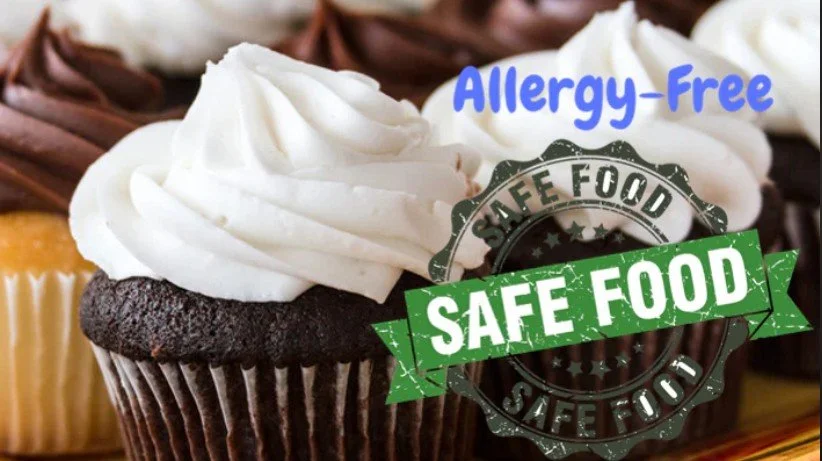
In today’s diverse culinary landscape, understanding food allergies is more important than ever for bakers and food enthusiasts alike. With an increasing number of individuals affected by food allergies, the demand for safe and delicious allergy-friendly baked goods is on the rise. As a dedicated baker, it’s essential to not only recognize the challenges faced by those with food allergies but also to provide them with delightful options that cater to their needs. This guide aims to shed light on the intricacies of food allergies and offer practical solutions for creating delectable treats that everyone can enjoy.
Understanding Food Allergies
Food allergies are a serious health concern that can affect individuals of all ages. Unlike food intolerances, which primarily involve digestive issues, food allergies trigger an immune response that can lead to severe and potentially life threatening reactions. It’s crucial to distinguish between the two to ensure the safety and well-being of those with allergies.
The most common food allergens include nuts, dairy, gluten, eggs, soy, and shellfish. These ingredients are often found in everyday baking, making it essential for bakers to be vigilant and informed. By understanding the nature of these allergens and their potential impact, bakers can take proactive steps to create a safer environment for their customers.
The importance of communication
Clear and open communication is the cornerstone of providing safe and enjoyable experiences for customers with food allergies. It’s essential for both bakers and customers to engage in transparent discussions about allergy needs and concerns. For customers, effectively communicating their allergies when placing an order is crucial. Providing detailed information about specific allergens and the severity of the allergy can help bakers take the necessary precautions.
On the bakers side, it’s important to ask the right questions and ensure that all staff members are trained to handle allergy-related inquiries. By fostering an environment of trust and understanding, bakers can build strong relationships with their customers and ensure their safety.
Preventing cross-contamination
Preventing cross-contamination is a critical aspect of managing food allergies in a baking environment. Cross-contamination occurs when allergens are unintentionally transferred from one food item to another, posing a significant risk to individuals with allergies. To minimize this risk, it’s essential to implement strict protocols in the kitchen. This includes using separate equipment and utensils for allergen-free baking, thoroughly cleaning surfaces, and clearly labeling ingredients and finished products. Additionally, educating staff about the importance of these practices ensures that everyone is on the same page and committed to maintaining a safe environment.
By taking these precautions bakers can confidently offer allergy-free options without compromising on safety or quality.
Substituting ingredients
One of the most effective ways to create allergy-friendly baked goods is by substituting common allergens with safe alternatives. This not only ensures the safety of your products but also allows you to cater to a wider audience. For instance, almond, oat, or soy milk can be used as a substitute for dairy milk, while flaxseed or chia seeds mixed with water can replace eggs in many recipes. Gluten-free flours, such as rice or almond flour can be used in place of wheat flour. It’s important to experiment with these substitutes to achieve the desired texture and flavor in your baked goods.
By being creative and resourceful with ingredient substitutions, bakers can offer delicious treats that everyone can enjoy, regardless of their dietary restrictions.
Testing and feedback
Before introducing allergy-friendly baked goods to your menu, it’s crucial to conduct thorough testing to ensure both safety and quality. Start by testing recipes in small batches, paying close attention to taste, texture, and appearance. This allows you to make necessary adjustments and perfect your creations.
Once your satisfied with the results, seek feedback from individuals with food allergies. Their insights can provide valuable information on how your products meet their needs and expectations. Encourage honest feedback and be open to making improvements based on their suggestions.
By prioritizing testing and feedback, bakers can confidently offer allergy-friendly options that are both safe and delicious.
My bakery’s commitment
At our bakery, we are dedicated to providing a safe space for all our customers. With our food handler and allergy certifications, we ensure that every product we offer meets the highest standards of safety and quality.
By adhering to recognized standards and obtaining relevant certifications, we assure our customers that their health and safety are our top priorities. Our team is regularly trained on food safety practices and allergy awareness, empowering them to handle allergy-related inquiries confidently and accurately.
By prioritizing food safety and obtaining allergy certifications, our bakery stands out as a trusted provider of safe and delicious products for everyone.